



How cyberdeck builders are making enclosure design the point
There's a build on Hackaday that stops people mid-scroll. A fully functional Linux computer fitted inside a vintage Halina 35X film camera body. The rangefinder shell is intact. The original shutter mechanism is gone. In its place: a Raspberry Pi, a small display visible through the viewfinder aperture, a thumb keyboard accessible from below. The builder didn't choose the camera because it was a convenient enclosure. They chose it because it meant something to them, and they wanted to carry that meaning alongside a working computer. Nothing about it announces itself as a cyberdeck to anyone who doesn't already know what they're looking at.
The community that produced that object has changed. The early cyberdeck built its identity around a recognizable output: exposed GPIO headers, toggle switches on aluminum panels, visible wiring, a keyboard-forward profile borrowed loosely from William Gibson's fiction. That form had a logic to it. Builders in that tradition treated visible complexity as a credential. You could read technical competence from the hardware in front of you, the same way you can read a mechanic's experience from the state of their toolbox.
That logic made sense when it was the only logic available. It's no longer the only one.
Why the original cyberdeck looked the way it did
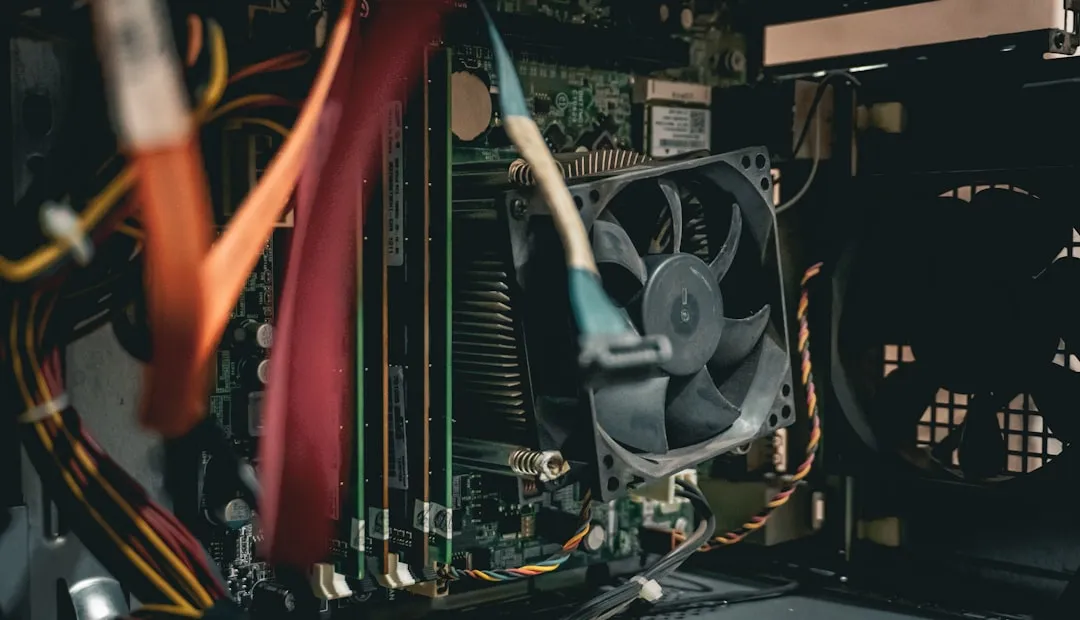
The exposed-hardware aesthetic was partly philosophy and partly physics. Early Raspberry Pi boards imposed real constraints on enclosure design. The 40-pin GPIO header needs to stay accessible for expansion boards and breakout cables, which immediately limits how tightly a case can wrap around the board. Heat management on earlier Pi generations required deliberate airflow planning. Power routing added cables that needed to terminate somewhere. The look was partly chosen and partly forced by what the hardware actually demanded.
On the r/cyberdeck subreddit, that forced look became a shared language. Visible toggle switches, bare breakouts, and exposed battery cells communicated something beyond function. The object was legible inside the community and opaque outside it. That duality was deliberate. Visual complexity said: I know what this is and I built it myself. For a community organized around skill demonstration, that was precisely the point.
The enclosure-as-byproduct logic held until the underlying hardware changed enough to undercut it. When a board runs more efficiently and requires less thermal accommodation, the enclosure stops being a heat management constraint. It becomes a design decision. That material shift is what made enclosure-first building viable for a much wider range of objects and, eventually, for a much wider range of builders.
What triggered the shift: tooling, skills, and a changed idea of what "personal" means
Three things converged to make enclosure-first design practical, and then common.
Desktop fabrication crossed a quality threshold. Bambu Lab and Prusa both produce capable 3D printers aimed at serious hobbyists, and output quality has improved enough that builders can produce enclosures that read as deliberate rather than provisional. For metal work, CNC cutting services like SendCutSend made one-off metal fabrication practical at the individual build level through online quoting and reasonable turnaround times. The ceiling shifted from "what off-the-shelf cases exist" to "what the builder can model."
The tooling shift mattered because the skills to use those tools were already arriving. Hackaday build logs from the past several years document cross-pollination with mechanical keyboard culture and the EDC (everyday carry) community, bringing in builders who treat the enclosure as a design problem with the same rigor they'd apply to a circuit layout. Build logs increasingly include CAD renders and material selection notes alongside wiring diagrams. The physical form started receiving the same deliberate design attention as the board inside it.
The third shift is the one that defines the current moment. Early cyberdecks were personal in the sense of being handbuilt and individually configured. The current generation has pushed that definition somewhere more specific. A builder fitting a Linux computer into a vintage SLR body isn't solving a housing problem. They're making a statement about photography, craft, and the relationship between old objects and new function. This is personal the way a hand-bound journal is personal: not merely custom, but expressive. The enclosure carries meaning before the first line of code runs.
What the new builds actually look like, and how to read them
The pattern across Hackaday documentation and the r/cyberdeck subreddit is consistent: the container is often chosen first, and the electronics are fitted to it. Found objects serve as the shell. The computer disappears inside something that already has cultural weight. What's visible is the object, not the hardware.
Two build archetypes have emerged from this approach. They represent different arguments about what a cyberdeck is actually for, and both are worth taking seriously on their own terms.
The first is the distraction-free writing machine. E-ink display. Battery life measured in days. No wireless connectivity by design. Housed in something that looks like a bound notebook. The form serves the function precisely, and the limitation is the feature. You can't open a browser on a machine with no radio. You can't mistake a book-shaped object on a desk for something demanding your attention. The constraint is architectural, not just disciplinary.
The second is the portable software-defined radio terminal built for field use, documented regularly in Hackaday's SDR coverage. A rugged enclosure with direct antenna routing, where the housing and the radio functionality were developed as a single engineering problem. The enclosure choice is structural to the design, not cosmetic. Both archetypes point toward the same underlying logic: the enclosure is part of the specification.
The exposed-hardware contingent hasn't disappeared, and their argument is functional, not nostalgic. State indicators are readable at a glance. Field repair doesn't require disassembly. When something fails, a builder can trace the problem visually in a way that a sealed found-object housing simply doesn't allow. Build threads on the r/cyberdeck subreddit document this as an active debate, with builders laying out the maintenance case for visible hardware against builders arguing for enclosure expressiveness. Neither position is wrong. They're answering different questions about what the machine is for.
Three things separate a genuinely personal build from a decorative one. First, the enclosure choice: does it reflect a real use context, or does it just look interesting? Second, the intended use: is the hardware configured for a specific task, or is it a general-purpose machine in an unusual box? Third, repairability: can the builder access and modify the internals without destroying the enclosure? The camera build from the opening scores on all three. The enclosure carries meaning, the hardware is configured for a specific portable workflow, and the build was documented with internal access in mind. That combination is rarer than it looks in the builds getting the most attention.
What this says about personal computing
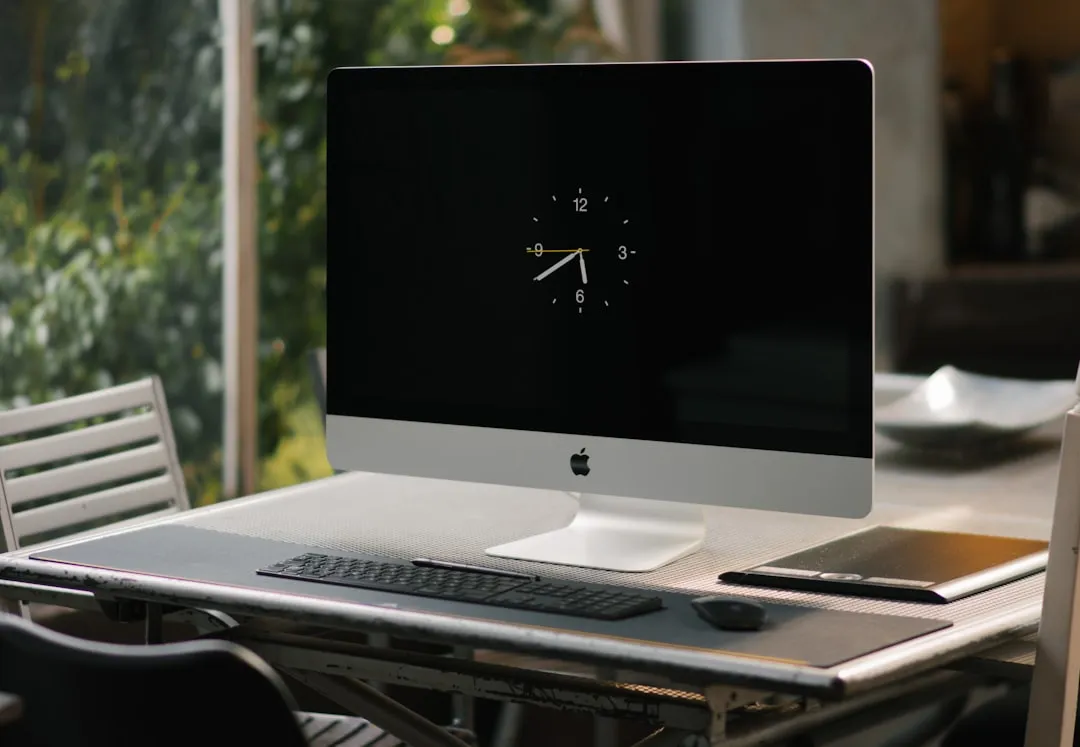
Consumer electronics have converged on a narrow set of sealed forms. The aluminum slab and the glass rectangle were optimized for production at scale and a statistical average user. The design choices were made before purchase and can't be revised after. Cyberdecks are the practical rejection of that arrangement, pursued by people who decided the defaults didn't match their actual use.
When a builder fits a computer into an object chosen for their specific life rather than a median consumer's life, they're reclaiming authorship over the machine itself. That's not nostalgia. It's a response to a real gap: the gap between what consumer hardware assumes about you and what you actually do. Cyberdecks don't fill that gap for most people. But they make the gap visible in a way that a MacBook never will.
The tradeoff deserves plain statement. A cyberdeck built into a found object is often harder to repair, harder to upgrade, and harder to hand off to someone else. The exposed-hardware contingent's objection is functional, not conservative. The new generation is implicitly deciding the expressive and practical value of the personal object is worth those costs. For a solo builder who knows the machine intimately, that's a defensible call. It's a harder argument to make for a build that needs to survive modification two years later or repair by someone who wasn't there when the enclosure decisions were made. The honest version of the "personal computing" claim includes that caveat.
Craft, not proof of concept
The shift from recognizable hacker form factor to personal object happened because two things occurred together. The hardware became compact and efficient enough to fit credibly inside almost anything. And the community moved on from asking whether something could be built to asking what it should be. Proof of concept gave way to craft in the full sense: work where the maker's judgment about form and purpose is as visible as their technical ability.
The implications for maker culture are worth naming directly. When enclosure design is as central to a build as the circuit layout, a new kind of skill becomes legible. Knowing which found object can house a given set of components, how to route a display cable without destroying the object's original form, how to design for access without designing for transparency that's a distinct competence from soldering and GPIO configuration, and it's one the community is now actively evaluating. The three-factor lens isn't just a reading tool for outsiders. It's a framework the community is implicitly applying to its own output as the definition of a good build continues to evolve.
The builds worth watching aren't the ones with the most unusual enclosures. They're the ones where every major decision, the object chosen, the hardware configured inside it, the access designed into it, points back to a coherent answer to the same question: what does this person actually need the machine to be? That's what the camera build gets right. Not that it's surprising. That it's considered.







Comments
Be the first, drop a comment!