



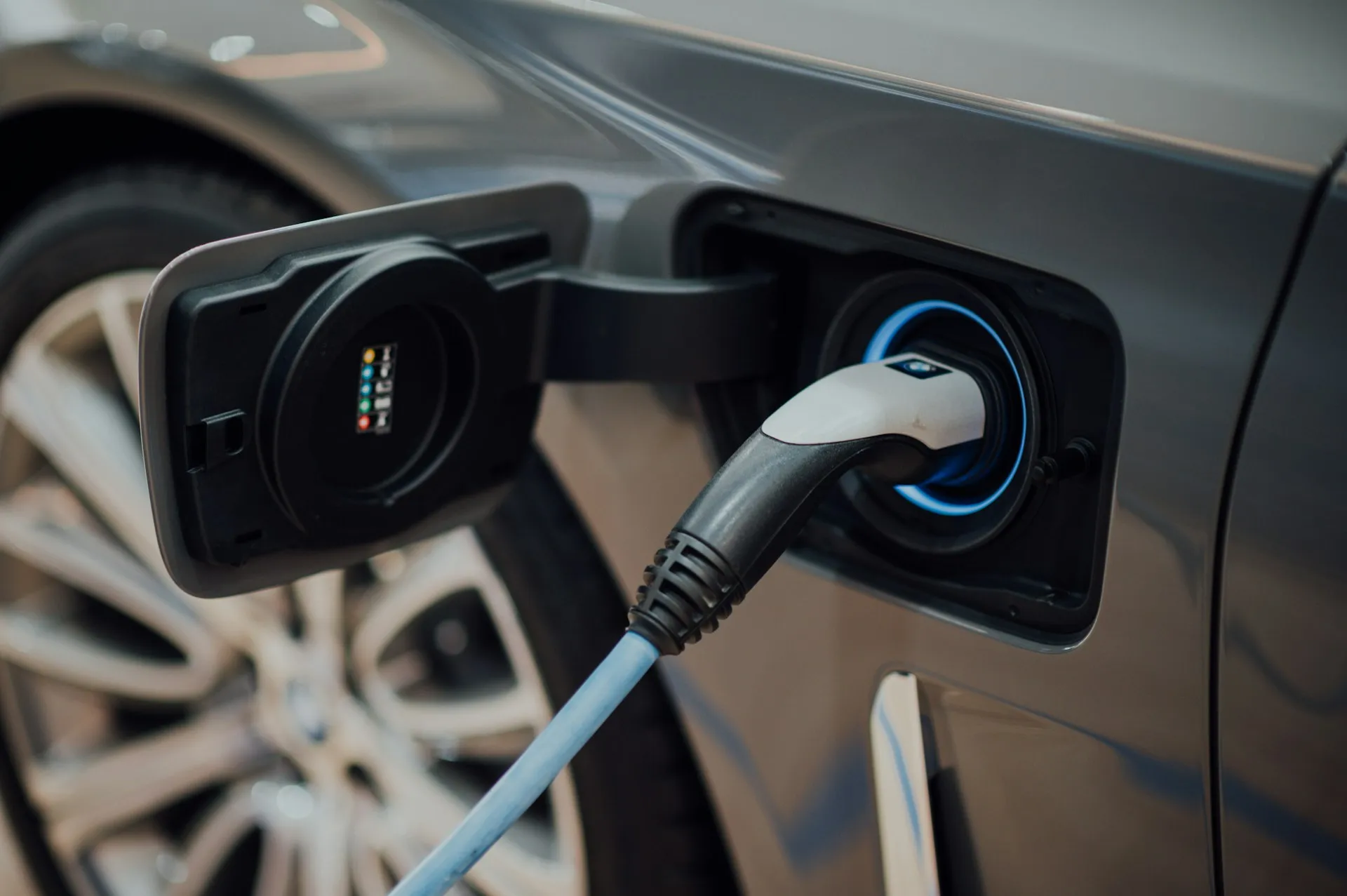
The electric vehicle revolution promised a cleaner future, but what happens when the companies behind these high-tech machines disappear overnight? Across the country, a dedicated community of EV owners refuses to let their vehicles become expensive paperweights, even when official support vanishes. These tech-savvy drivers are taking matters into their own hands, creating an underground network of knowledge, parts, and expertise that challenges everything we thought we knew about vehicle ownership in the digital age.
Their efforts reveal a fascinating intersection of technology, determination, and necessity. When traditional warranty support disappears and dealerships close their doors, these owners become digital archaeologists, reverse-engineering software, sourcing rare components, and building maintenance communities from scratch. It's a story that goes far beyond keeping cars running—it's about fundamental questions of ownership, sustainability, and what happens when cutting-edge technology meets corporate failure.
When the lights go out: What EV abandonment really means
The collapse of an EV manufacturer creates unique challenges that traditional car owners never face. Think about it—your grandfather's Chevy might be older than you are, but any decent mechanic can still work on it because the fundamentals haven't changed much. Modern electric vehicles? That's a completely different story.
Unlike conventional vehicles with mechanical systems that independent mechanics understand, today's EVs are essentially computers on wheels, filled with proprietary software, encrypted systems, and components that only the original manufacturer was supposed to service. It's like owning a 4,000-pound smartphone that needs to get you to work every morning—except when the company behind it shuts down, that smartphone loses its app store, cloud services, and software updates permanently.
Here's where the real problems start: when company servers go dark, some connected EVs can lose OTA and cloud-based features like route optimization and charging network integration. The charging systems may use proprietary protocols that only work with specific networks, battery management systems require specialized diagnostic tools that can cost thousands of dollars, and even simple maintenance tasks like replacing a brake sensor can become impossible without manufacturer-specific calibration procedures.
The result? Owners face a stark choice: accept a vehicle that becomes increasingly limited and potentially unreliable over time, or dive deep into the technical complexity of modern automotive engineering. Surprisingly, many are choosing the latter path, transforming from drivers into amateur engineers out of sheer necessity.
The underground network: How communities fill the void
When official support disappears, something remarkable happens. There are reports of online forums transforming into sophisticated technical resources where members share reverse-engineered diagnostic procedures, crowd-source replacement parts through 3D printing, and collaborate on solutions that would make professional engineers proud.
The collaboration is genuinely impressive in scope and organization. A software engineer in California cracks a battery diagnostic protocol and shares the code freely, while a mechanical engineer in Texas documents how to retrofit standard automotive components into proprietary systems. Members coordinate group purchases of rare parts that might cost $500 individually but only $50 when bought in quantities of twenty. They share access to expensive diagnostic equipment by shipping it around the country, creating an informal lending library of specialized tools.
What makes these communities particularly effective is how they've developed organic expertise systems. The member who successfully reverse-engineers charging protocols becomes the go-to expert for power management issues. Someone who rebuilds their first battery pack suddenly finds themselves mentoring others through the same complex process. Knowledge flows freely, but reputation is earned through proven results rather than certificates or official training.
The technical depth rivals professional service operations. Members routinely discuss firmware extraction techniques, analyze CAN bus communication protocols, and develop battery cell replacement procedures that require both electrical engineering knowledge and software programming skills. What started as desperate necessity has evolved into communities that often understand these abandoned vehicles better than their original manufacturers ever did.
Hacking your own car: The technical challenges
Breaking into your own vehicle's systems requires skills that most car owners never expected to need. Modern EVs protect their critical systems with multiple layers of security—encrypted communication between components, digitally signed firmware that resists modification, and diagnostic protocols that require specific hardware interfaces to access.
The journey typically starts with diagnostic access, which sounds simple but often isn't. While traditional cars use standardized OBD-II ports that any mechanic can read, many EVs layer proprietary systems on top that require manufacturer-specific software and cables. Getting basic information about what your car is thinking can require reverse-engineering these communication protocols from scratch.
Battery management represents the most complex challenge because it directly impacts both safety and performance. These aren't simple lead-acid batteries—modern EV battery packs contain hundreds of individual lithium-ion cells with sophisticated thermal management systems, safety monitoring that prevents fires, and charging algorithms calibrated for specific cell chemistries. Understanding how to diagnose problems, replace failed cells, or even recalibrate the system after repairs requires knowledge that spans chemistry, electrical engineering, and software programming.
Then there's the integration challenge. These vehicles run dozens of separate computer systems that must communicate seamlessly—motor controllers talk to battery managers, which coordinate with charging systems, which report to central computers that control user interfaces. When manufacturers disappear, owners become system integrators, ensuring all these components continue working together without official oversight or support tools.
PRO TIP: Anyone considering this path needs backgrounds in both electrical engineering and computer programming, plus significant time investment. Learning to maintain just the battery system in a modern EV can take months of dedicated study.
Beyond the garage: Broader implications for tech ownership
These EV communities are conducting a real-world experiment in post-corporate device ownership that has implications far beyond automotive applications. They're answering a question that becomes more relevant every day: when you buy a connected device, how much of it do you actually own?
Consider the broader landscape we're heading into. Refrigerators now receive software updates and connect to manufacturer cloud services. Home security systems depend on company servers for remote access and monitoring. Even basic appliances like washing machines can include smart features that stop working when companies discontinue support. The EV situation is just the most dramatic example of what happens when the digital dependencies we barely notice suddenly become critical failures.
The right-to-repair movement finds powerful validation in these communities. Their successes prove that determined users can maintain complex technology without corporate support, but their struggles highlight exactly how manufacturers can design products to resist independent maintenance. Proprietary screws, serialized components that won't function if swapped between identical devices, and software locks that prevent user modifications force dependence on official support channels.
From a cybersecurity perspective, these abandoned vehicles present ongoing risks. Cars with outdated firmware and no security updates could become vulnerabilities not just for their owners, but for connected infrastructure they interact with. The community maintenance work serves a broader public interest by preventing a fleet of potentially compromised vehicles from remaining on the road indefinitely.
What this means for the future of tech ownership
The success of these EV ownership communities offers both hope and a sobering reality check for our increasingly connected future. They prove that user communities can step up when corporations step out, but they also reveal how much specialized knowledge this requires.
The reality is stark: the people successfully maintaining abandoned EVs typically have engineering backgrounds, significant technical curiosity, and the luxury of time to master complex new skills. This raises uncomfortable questions about the broader implications of connected device ownership. Should buying a car potentially require becoming a software engineer? Should smart home ownership mean being prepared to reverse-engineer your appliances when manufacturers discontinue support?
The regulatory landscape is beginning to respond to these challenges. Right-to-repair legislation in several states now addresses some of these issues, though automotive applications remain largely unresolved. The question of what happens when EV manufacturers exit the market—whether through bankruptcy, acquisition, or simple product discontinuation—lacks clear legal frameworks for protecting consumer investments.
These communities demonstrate the value of design approaches that prioritize long-term maintainability over short-term corporate control. Standardized diagnostic protocols, published technical specifications, and maintainable software architectures could prevent many of these problems entirely. The current situation exists largely because manufacturers chose proprietary systems over open standards.
Looking forward, these righteous EV owners are pioneering a model for technology ownership that emphasizes longevity and user control over corporate convenience. Their work provides a compelling blueprint for anyone who believes that buying something should mean truly owning it—not just licensing access to it until the company decides otherwise.
The fundamental lesson extends well beyond electric vehicles: as everything becomes connected, the question isn't whether we can maintain our devices without official support, but whether we should have to. These communities are showing us both what's possible when users refuse to accept planned obsolescence and what shouldn't be necessary in the first place.











Comments
Be the first, drop a comment!